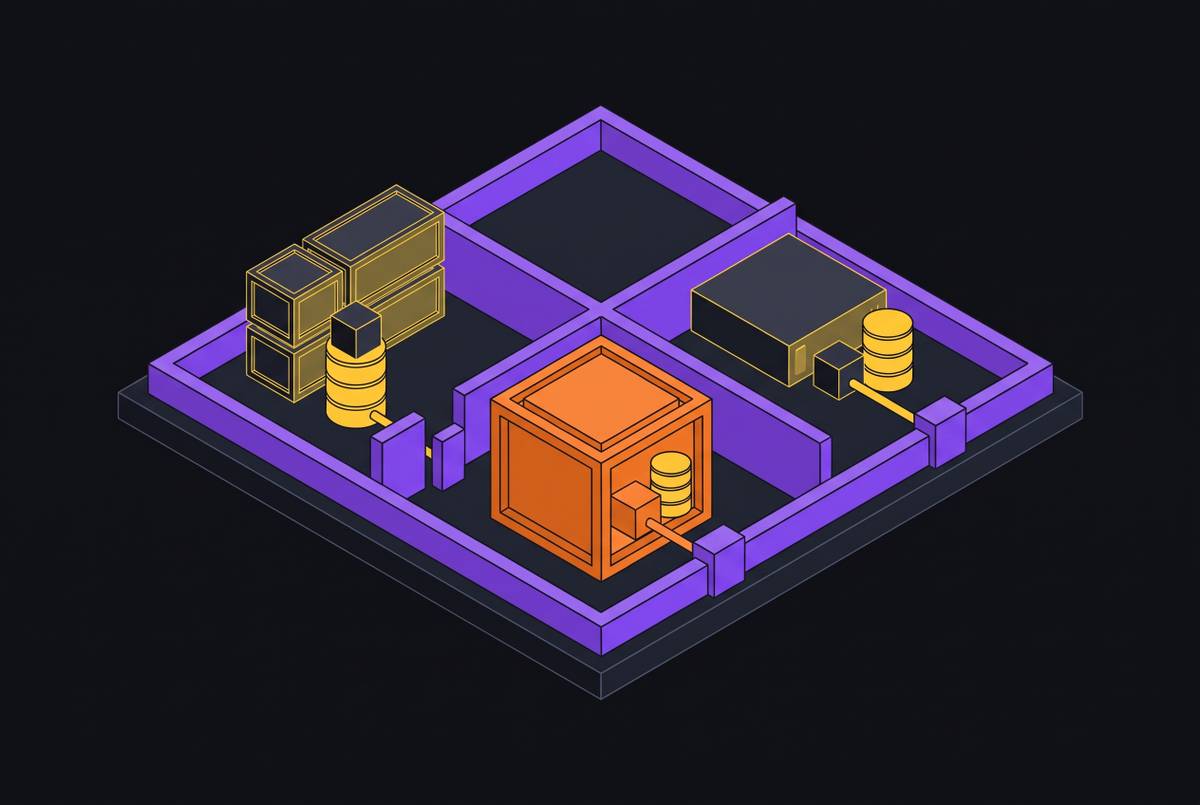
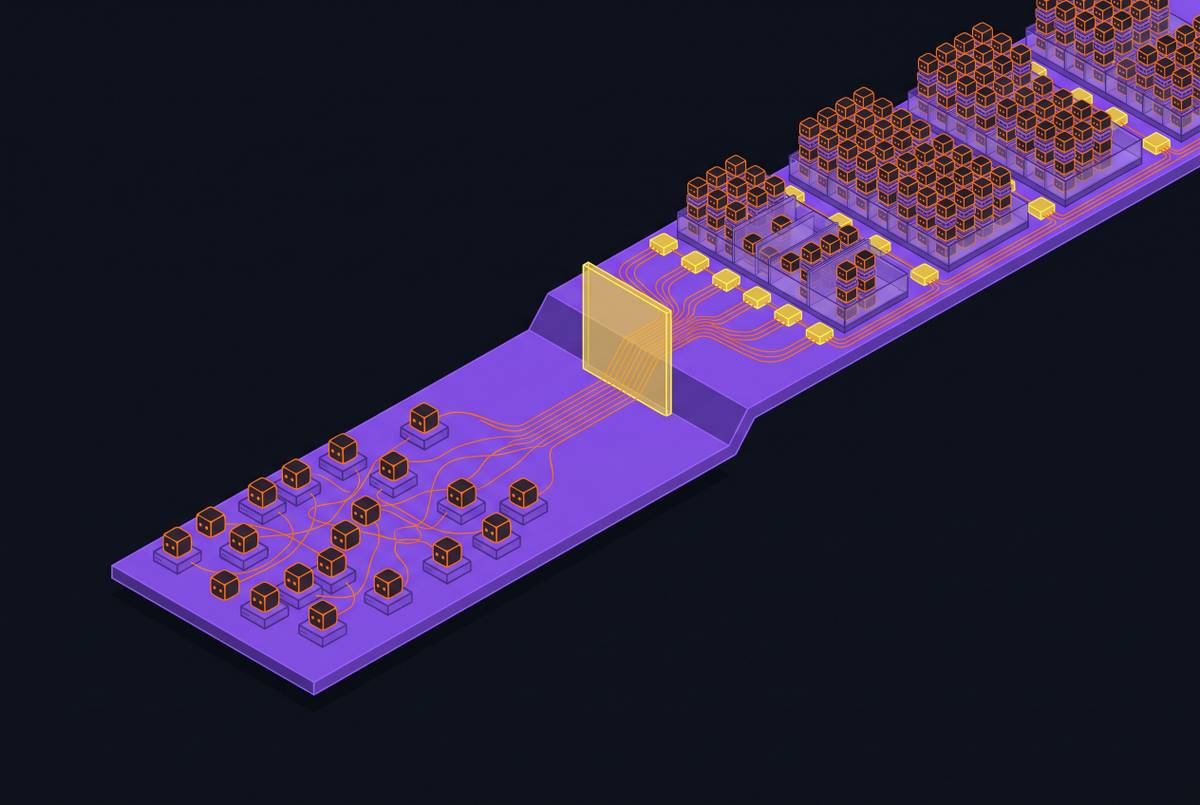
 Agent Architecture
The Infrastructure Inflection Point Between Hundreds and Millions of Personal AI Agents
Snapshot-based microVMs let each agent keep its own state while idle costs only storage.
Tobias Wrenfield·
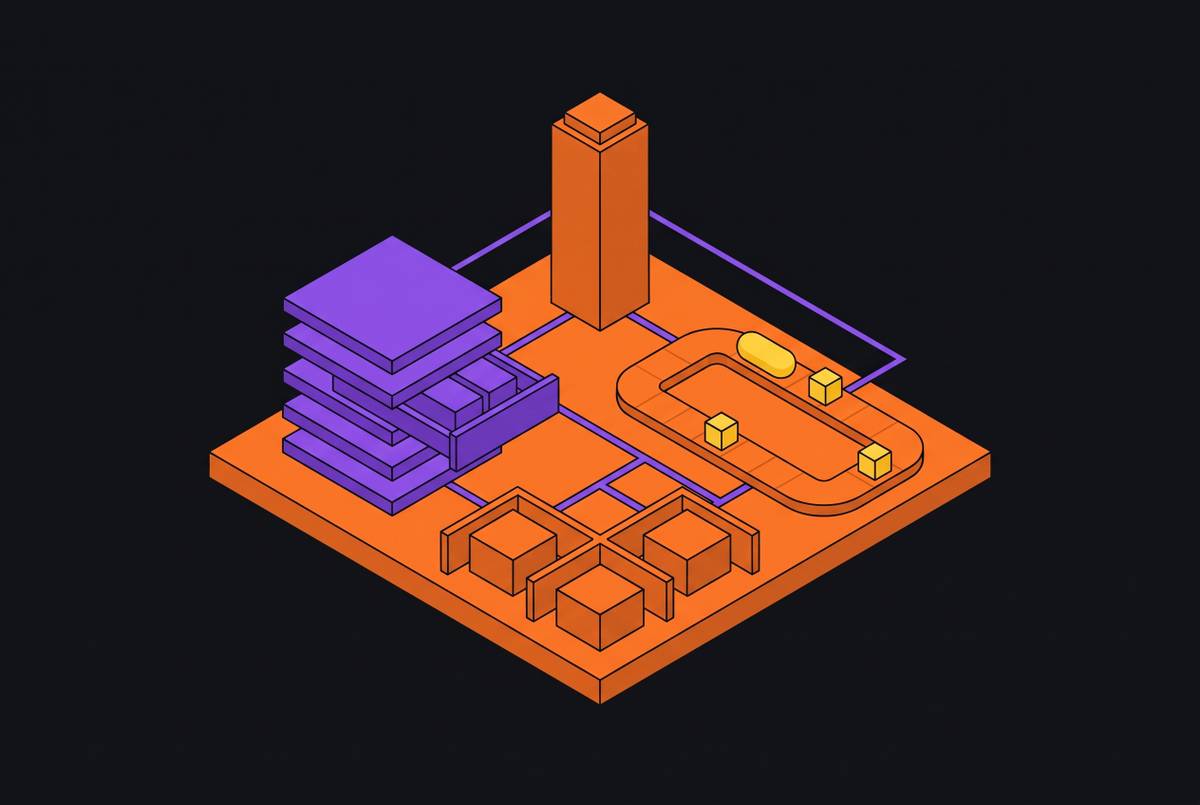 Agent Architecture
What Your Agent Runtime Actually Needs to Own When Memory and Long-Running Processes Are First-Class Requirements
Agent runtimes, not models or functions, must own isolation, state, and sleep.
Priya Subramaniam·
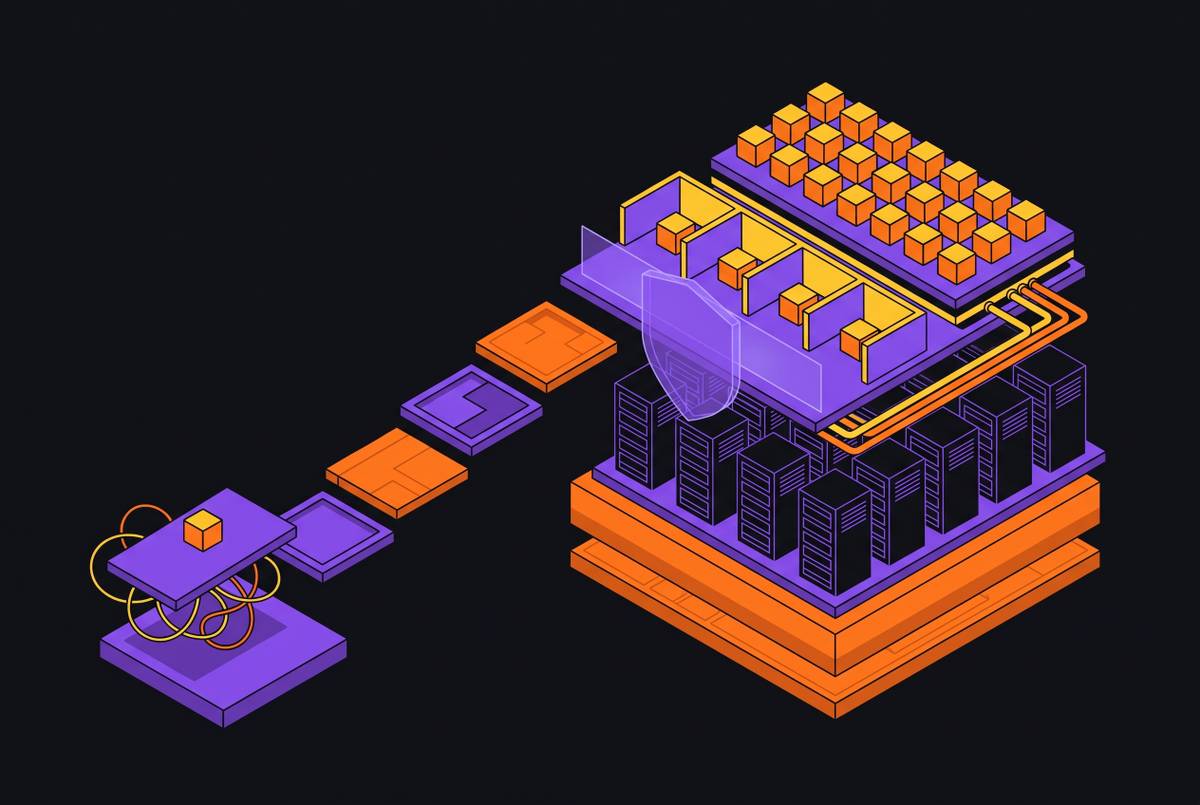 Agent Architecture
Infrastructure Decisions That Separate Hobbyist Agent Demos From Funded Agent Products
Isolation, state, and machine shape decide whether agents survive real users.
Camille Osei-Bonsu·
 Agent Architecture
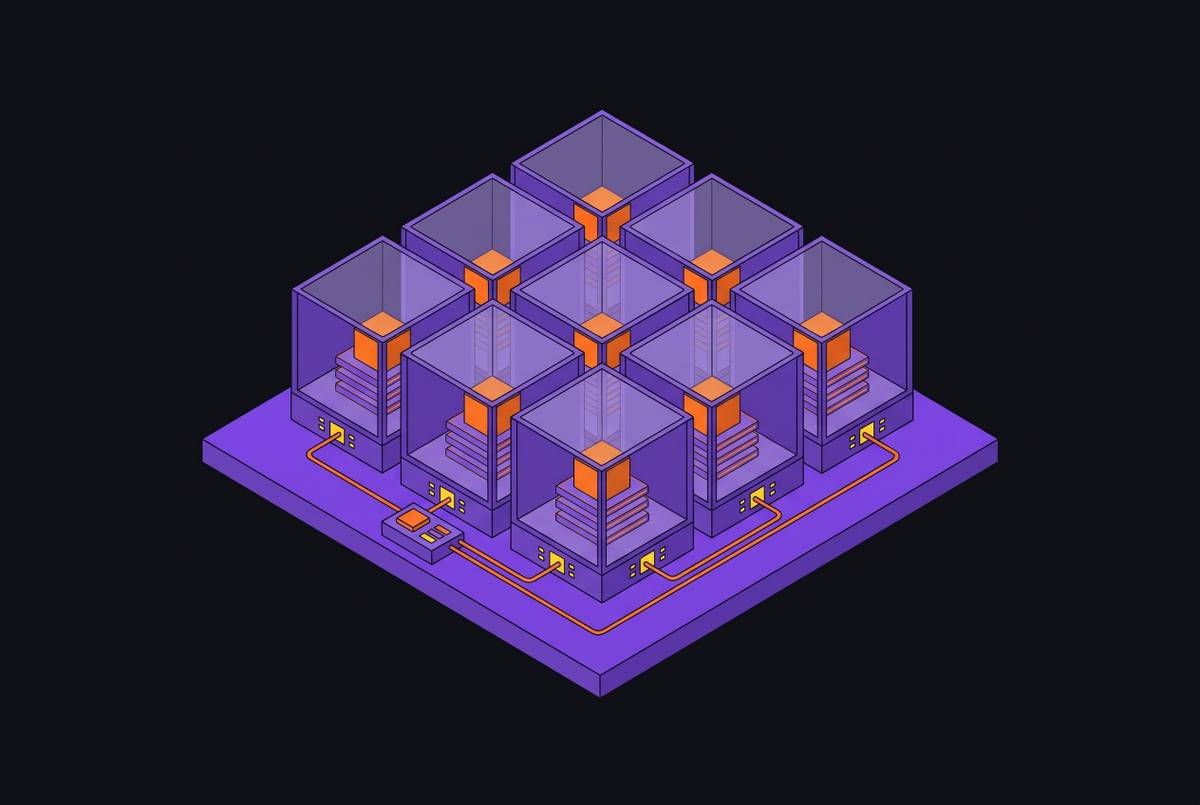
Productizing AI Agents When Every Tenant Needs Its Own Isolated Runtime
Shared containers can't safely hold agents, so isolate each tenant.
Tobias Wrenfield·
 Agent Architecture
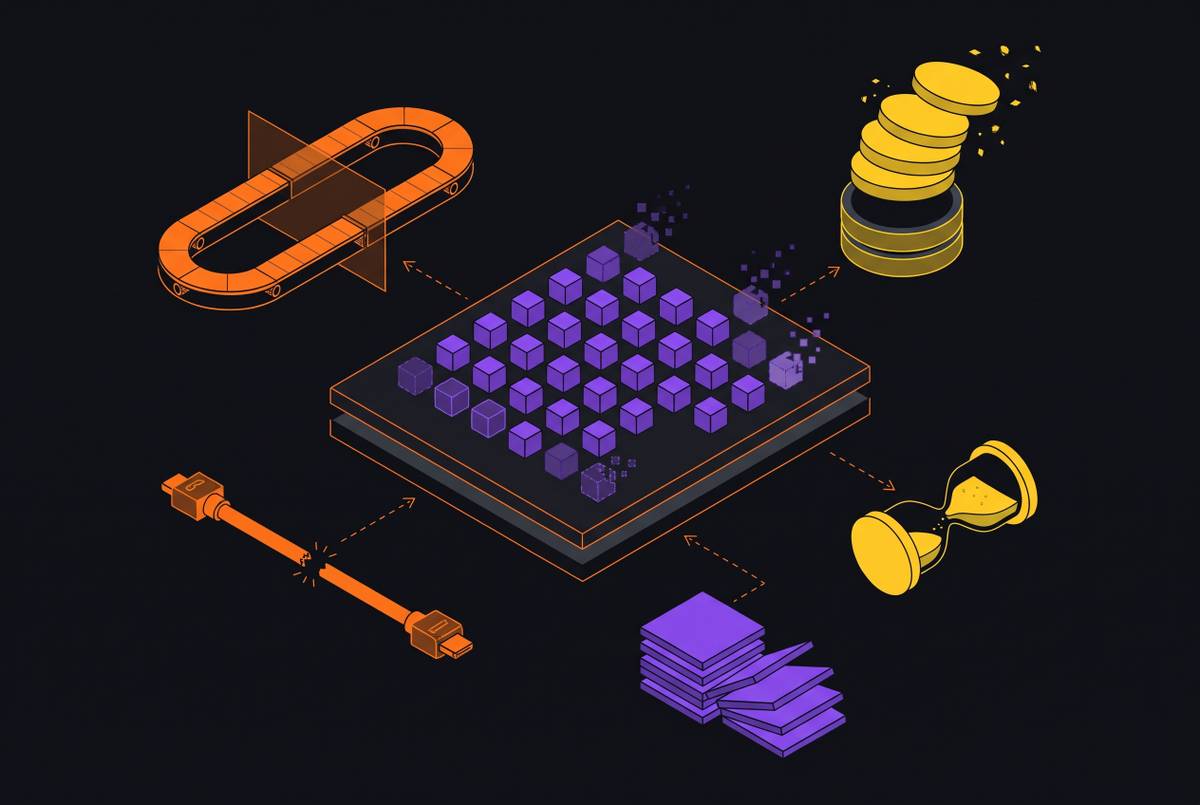
Five Agent Behaviors That Are Impossible to Ship Reliably on Serverless Infrastructure
Serverless can't hold the state, isolation, or desktop agents need.
Ren Matsukawa·
 Agent Architecture
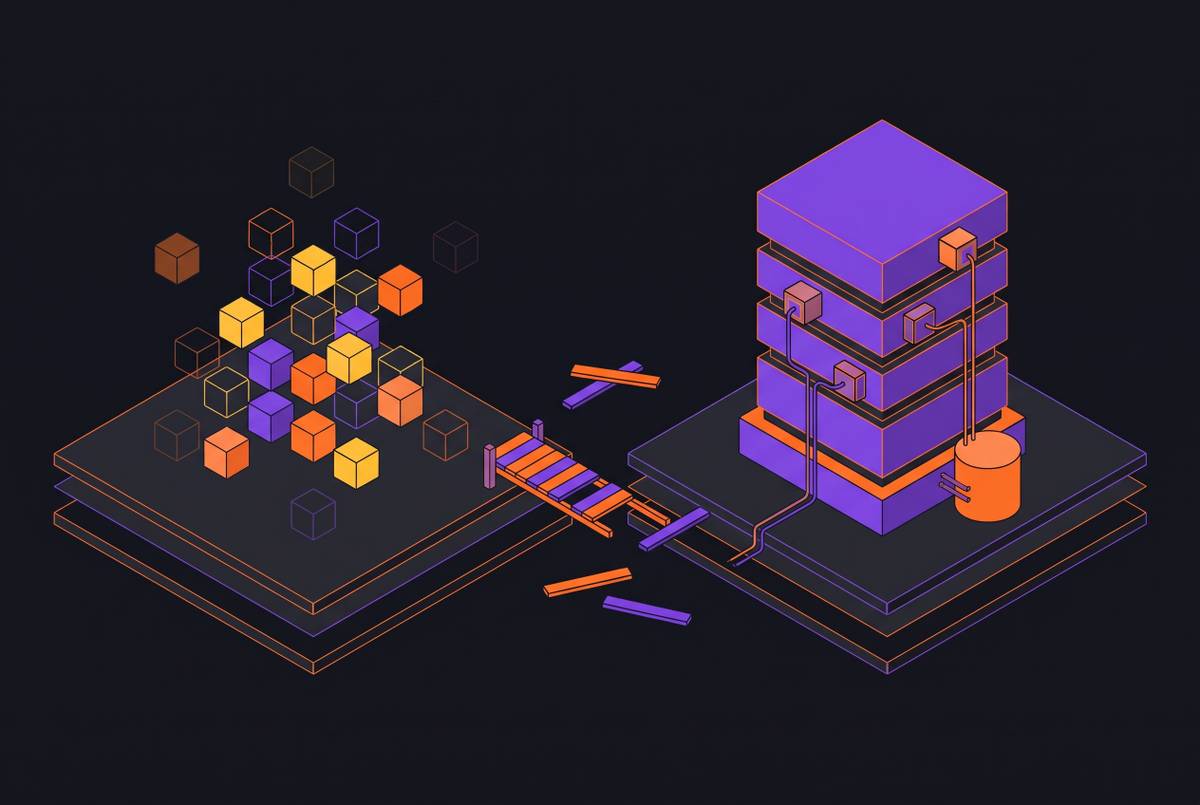
The Production Readiness Gap Between Serverless Functions and Persistent Agent VMs
Agents need persistent, isolated VMs that sleep cheaply and wake fast.
Ren Matsukawa·
 Agent Architecture
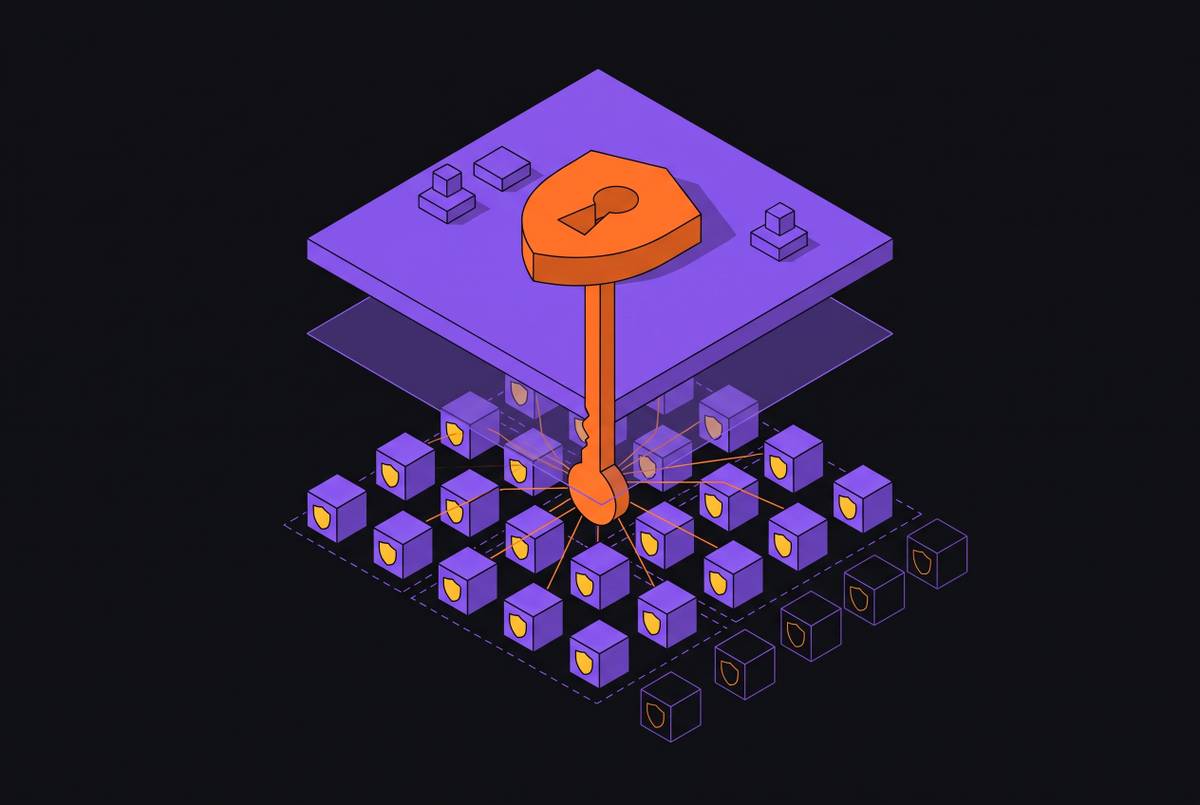
Why Your SaaS Auth Model Must Extend Into the Agent Layer Before You Scale
Agents need dual identity, task-scoped delegation, and runtime revocation before you scale.
Priya Subramaniam·
 Agent Architecture
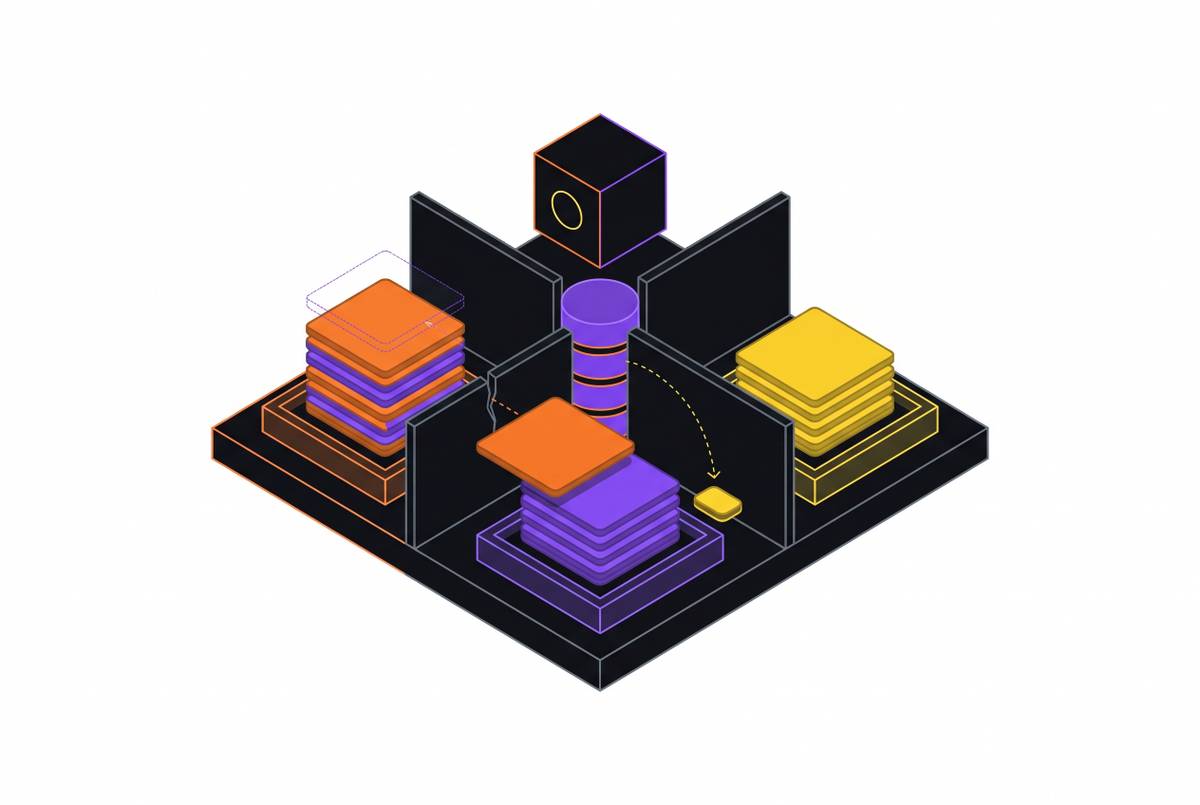
Failure Modes That Only Appear When Agent State Lives Across User Boundaries
Persistent agent state creates isolation failures that no single interaction can reveal.
Tobias Wrenfield·
 Agent Architecture
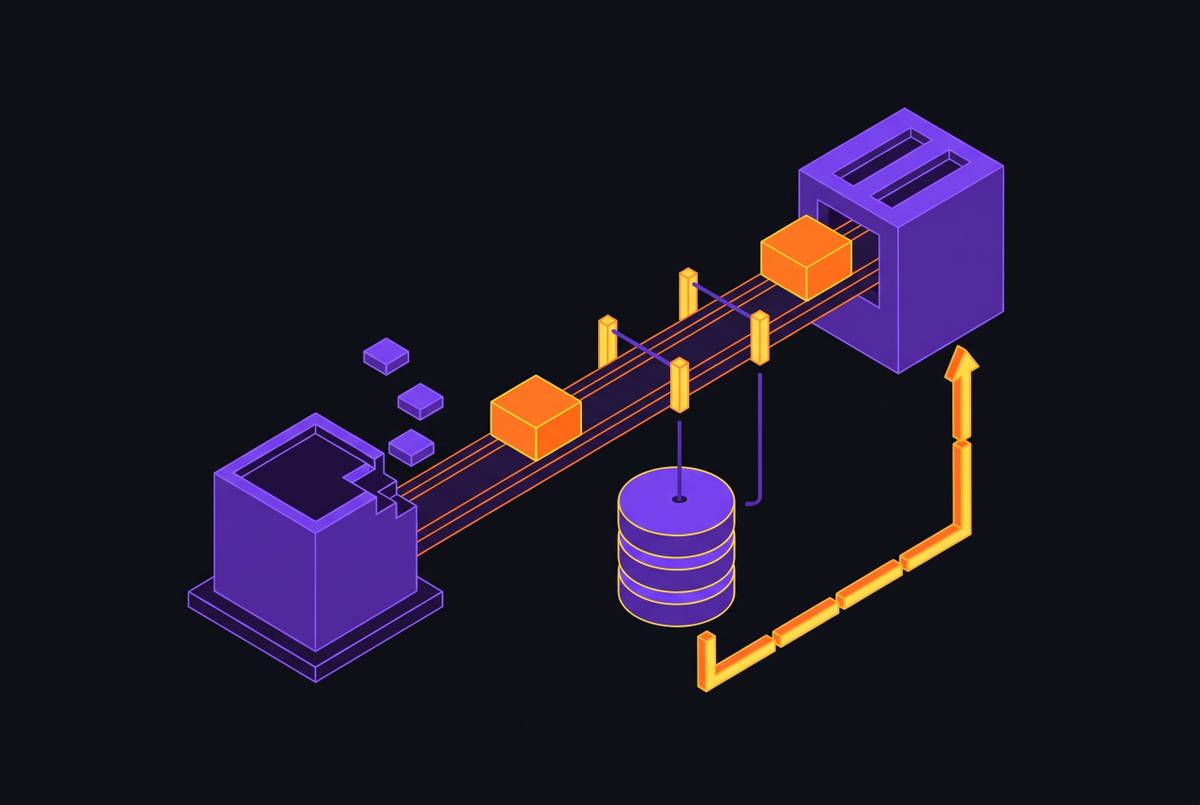
What Agent Products Actually Do When a Task Outlives the Function That Started It
Persistent agents checkpoint progress and state across executions where serverless functions cannot.
Camille Osei-Bonsu·
 Agent Architecture
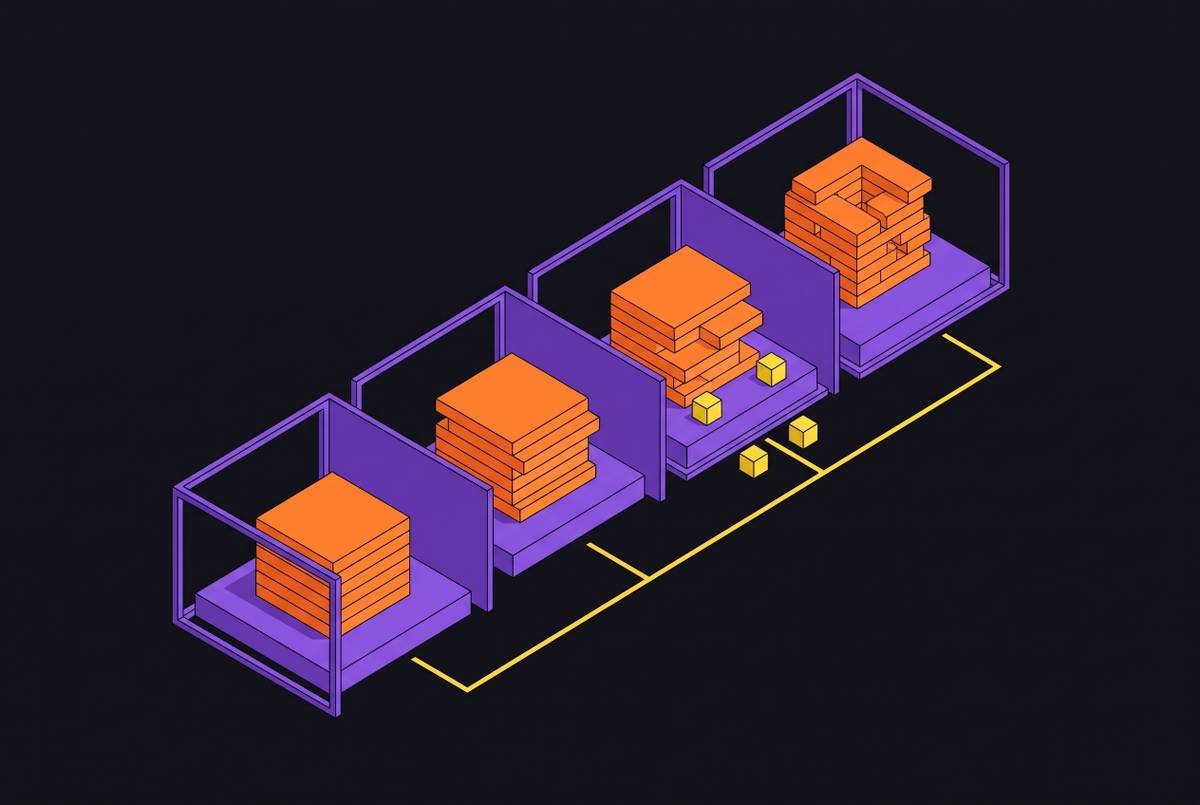
How Serverless Execution Boundaries Corrupt Multi-Step Agent State
Serverless functions break multi-step agent workflows by losing execution state between invocations.
Tobias Wrenfield·
 Agent Architecture
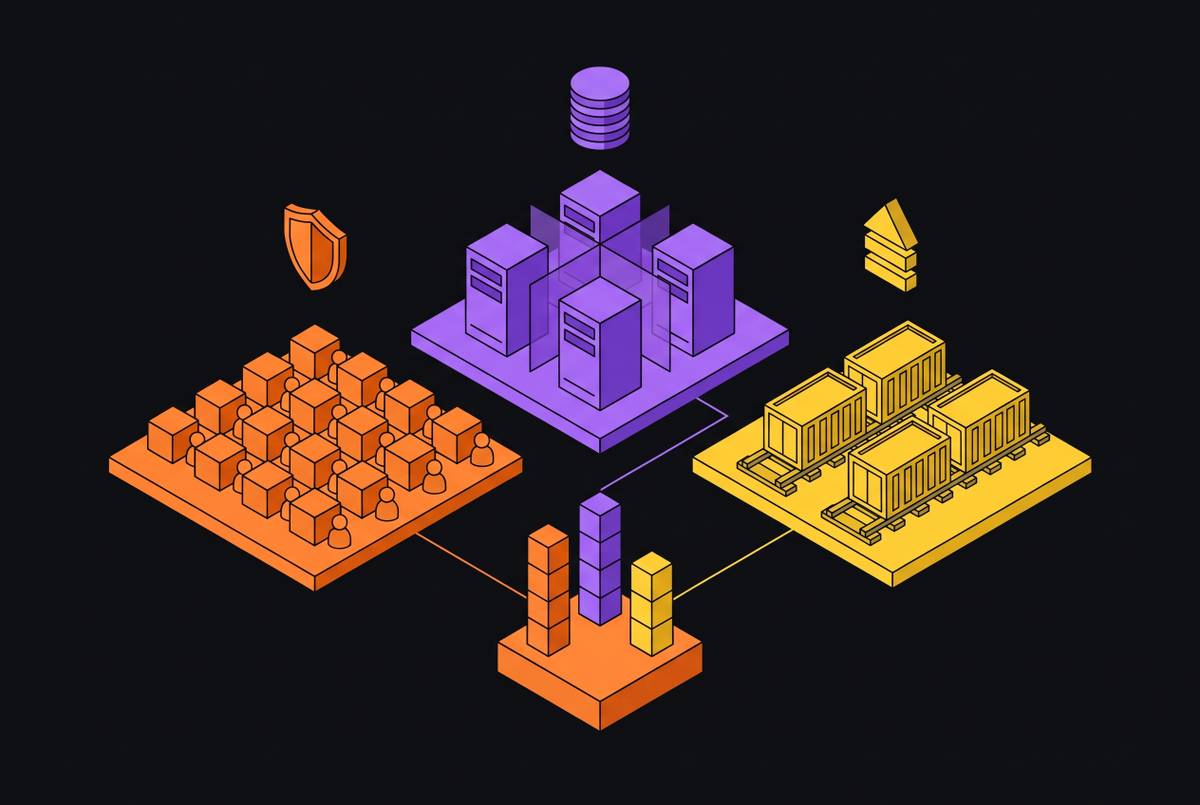
Evaluating Infrastructure Platforms for Dedicated Per-User AI Agent Deployment
Persistent AI agents need dedicated isolation, durable state, and storage-only idle billing.
Priya Subramaniam·
 Agent Architecture
Scaling From One to One Million Per-User Agents Without Rewriting Your Infrastructure Layer
Use VM isolation and snapshot-restore to scale persistent agents cost-effectively.
Ren Matsukawa·
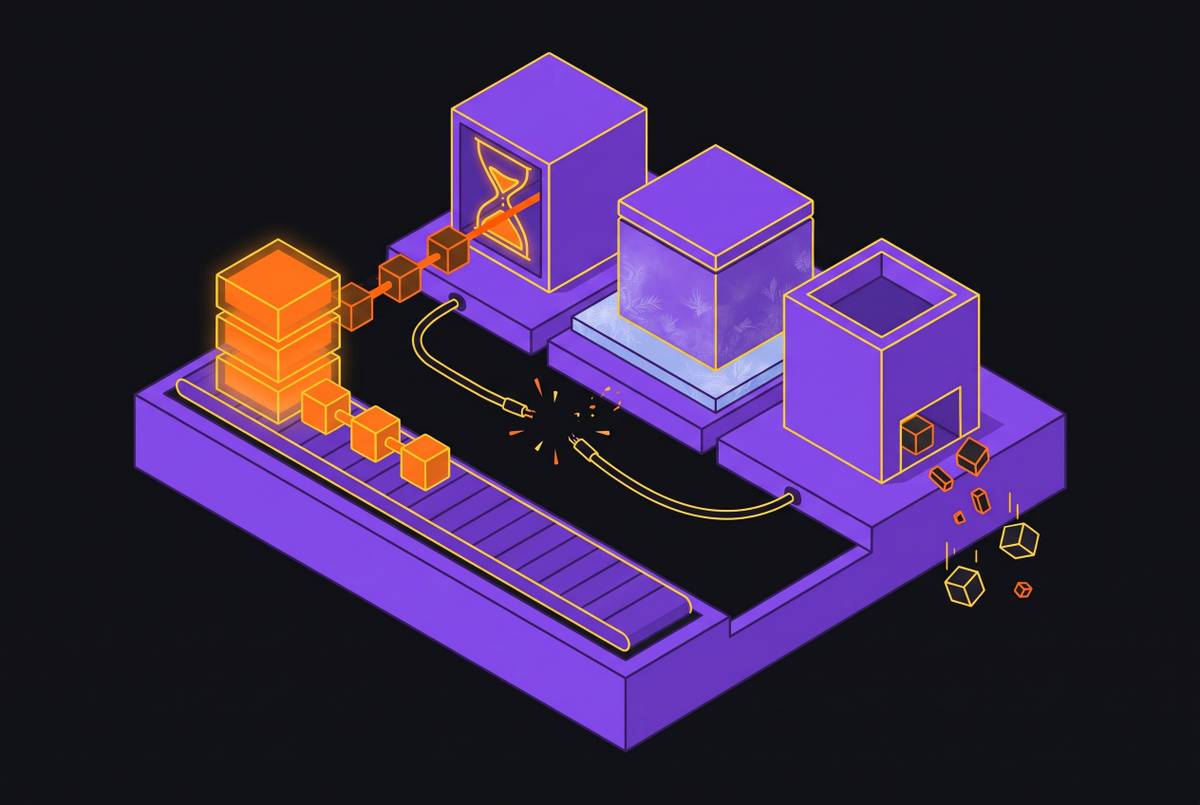 Agent Architecture
Serverless Function Constraints That Block Production AI Agent Reliability
Serverless functions lack the persistence and isolation that production AI agents require.
Tobias Wrenfield·
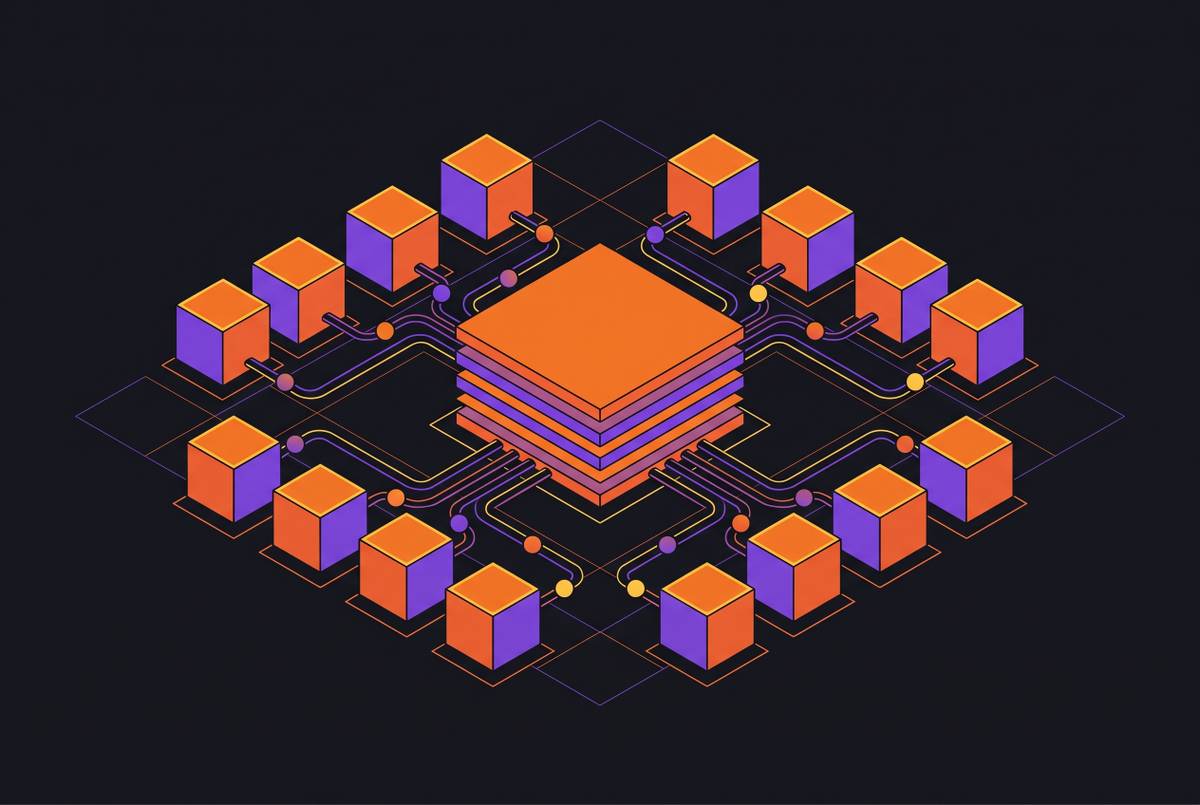 Agent Architecture
Multi-Agent Orchestration With Shared State
Agents collide over shared state, and these coordination patterns stop it.
Tobias Wrenfield·
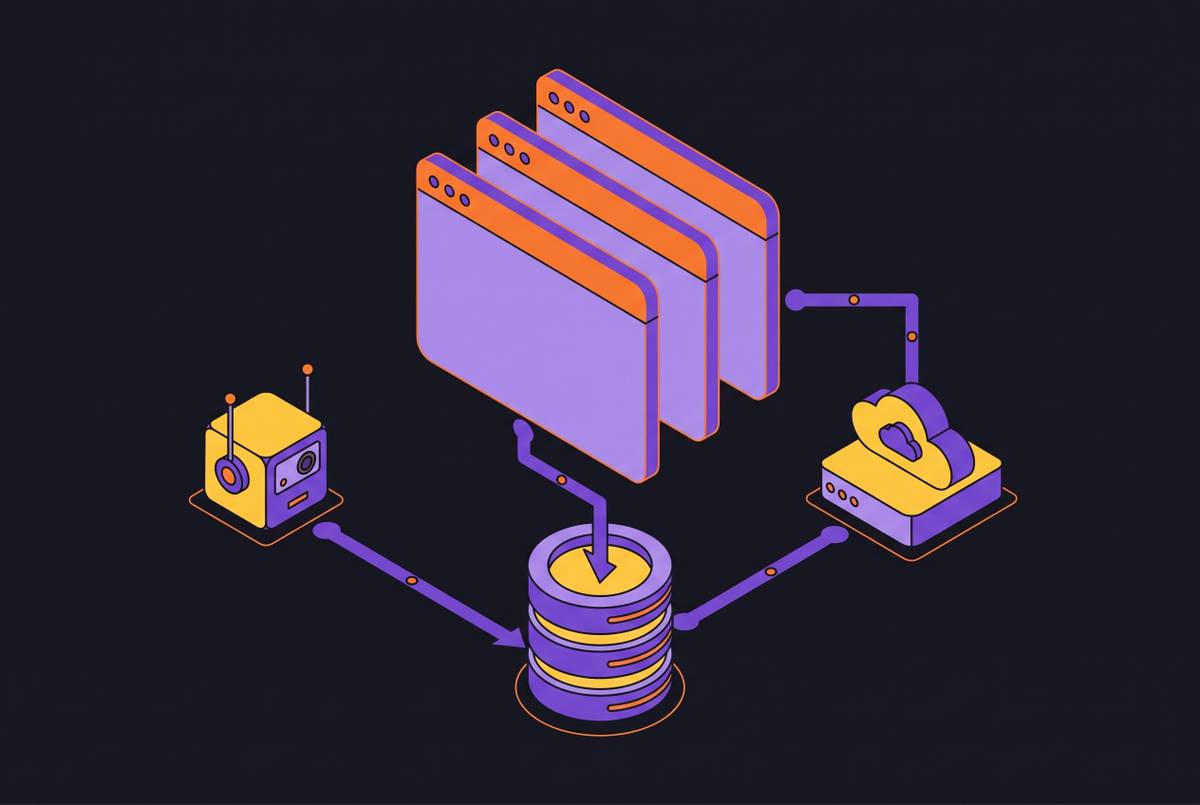 Agent Architecture
Browser Session Persistence in Cloud AI Agents
Persistence is a stack of layers, and microVM snapshots can hold it.
Priya Subramaniam·
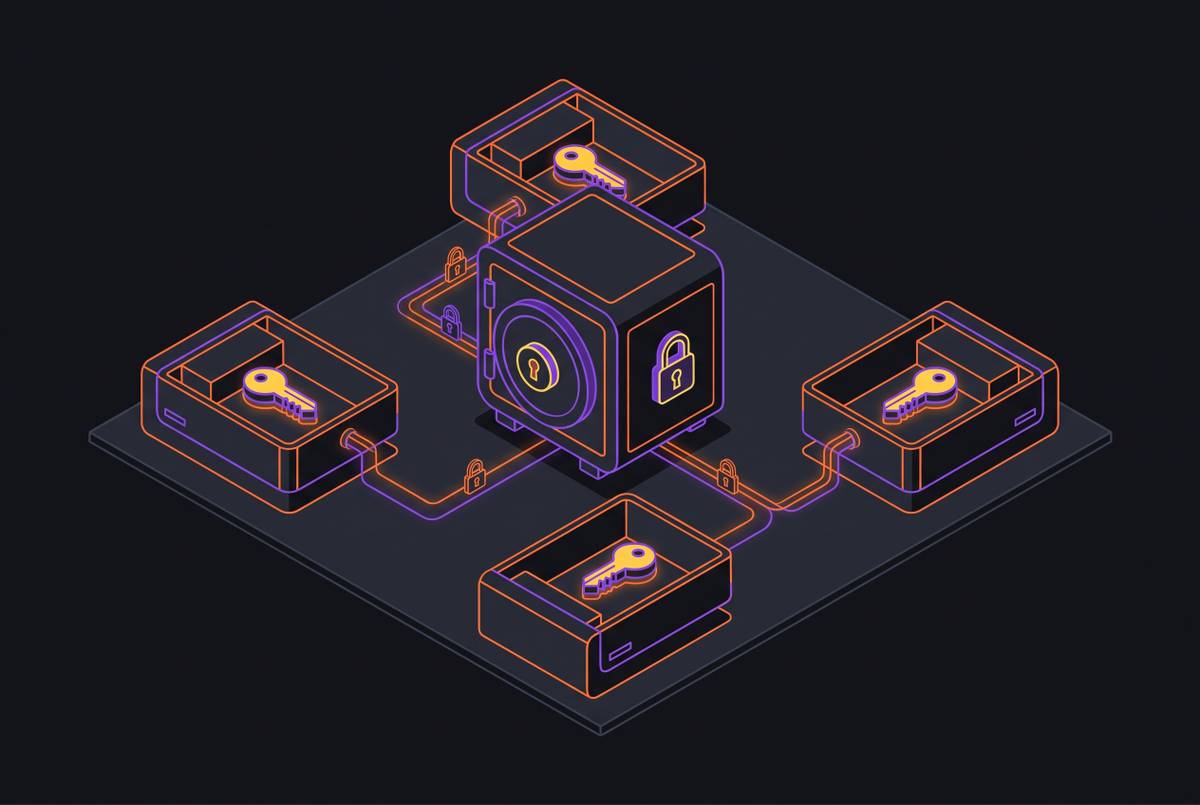 Agent Architecture
Agent Credential and Secret Storage in Persistent VMs
Agents choose their tools at runtime, so static secrets fail.
Camille Osei-Bonsu·
 Agent Architecture
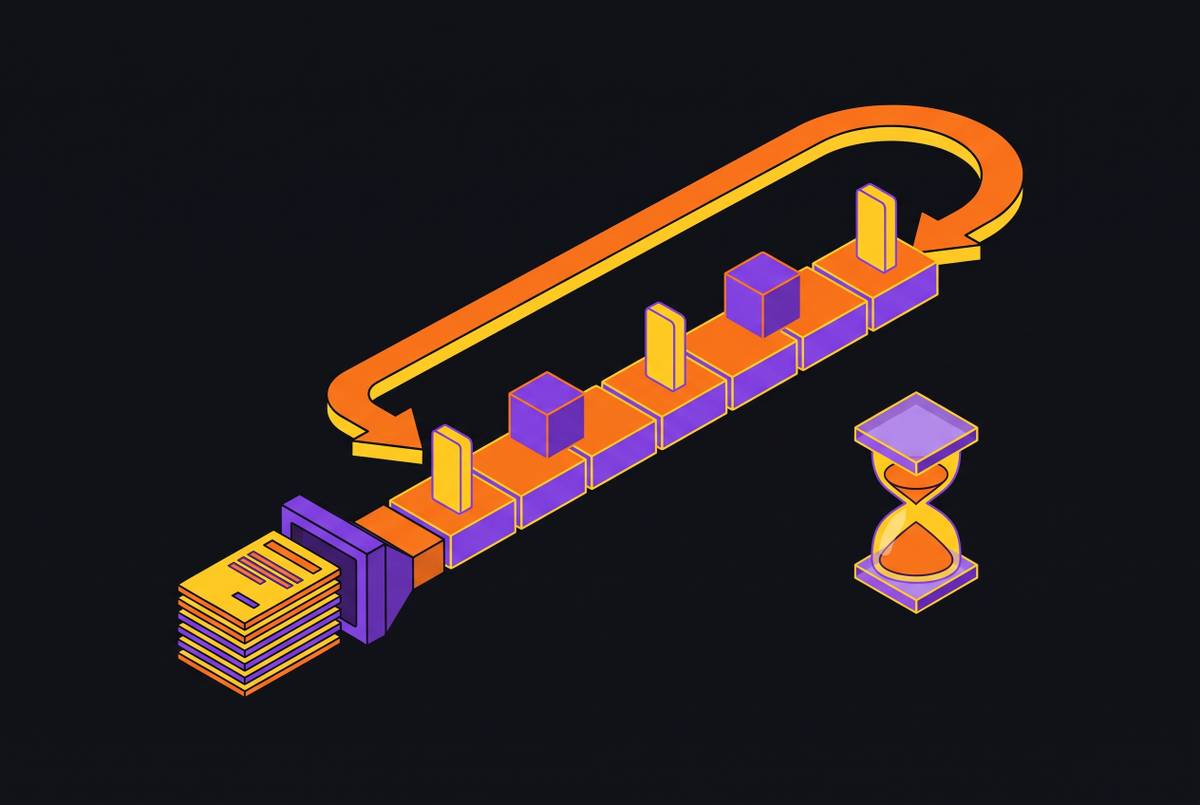
Long-Running Agent Task Design Patterns
Long agent runs fail at the system level, and planning, memory, and checkpointing are the fixes.
Ren Matsukawa·
 Agent Architecture
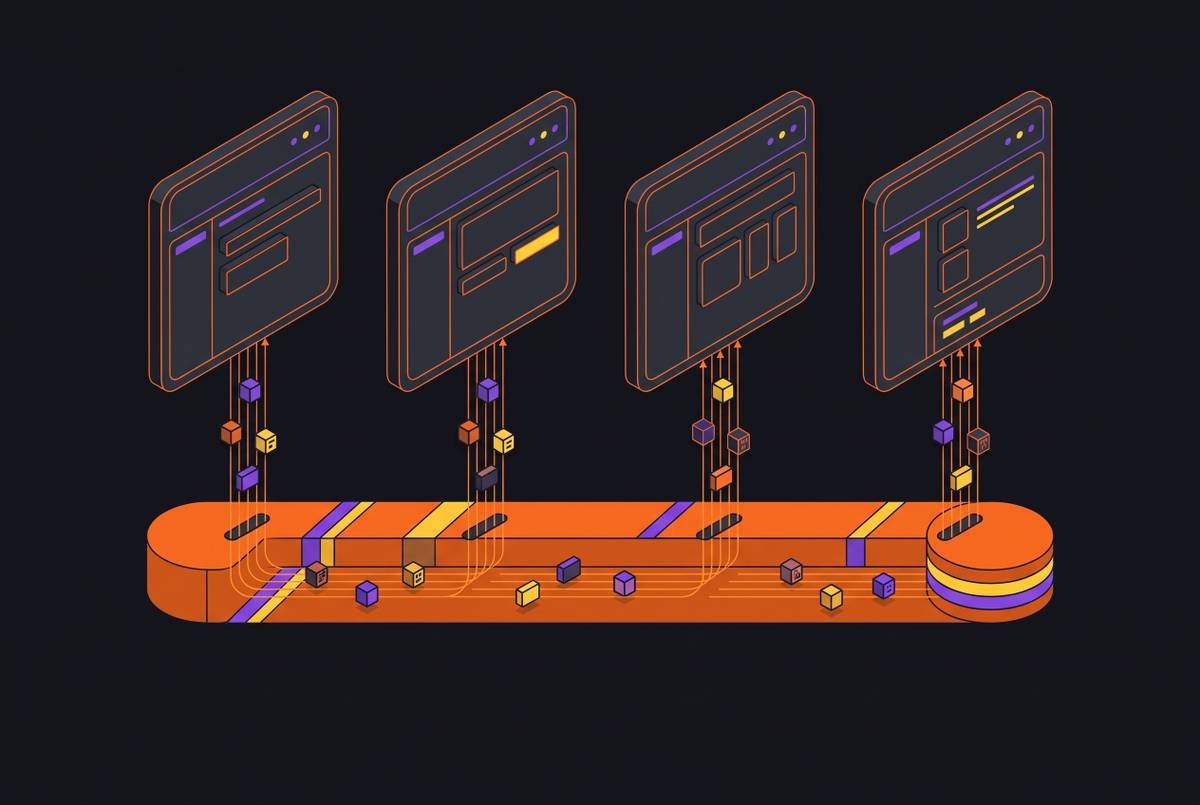
Agent Memory Persistence Across Sessions
Stateless models forget by default, so memory must be built around them.
Priya Subramaniam·
 Agent Architecture
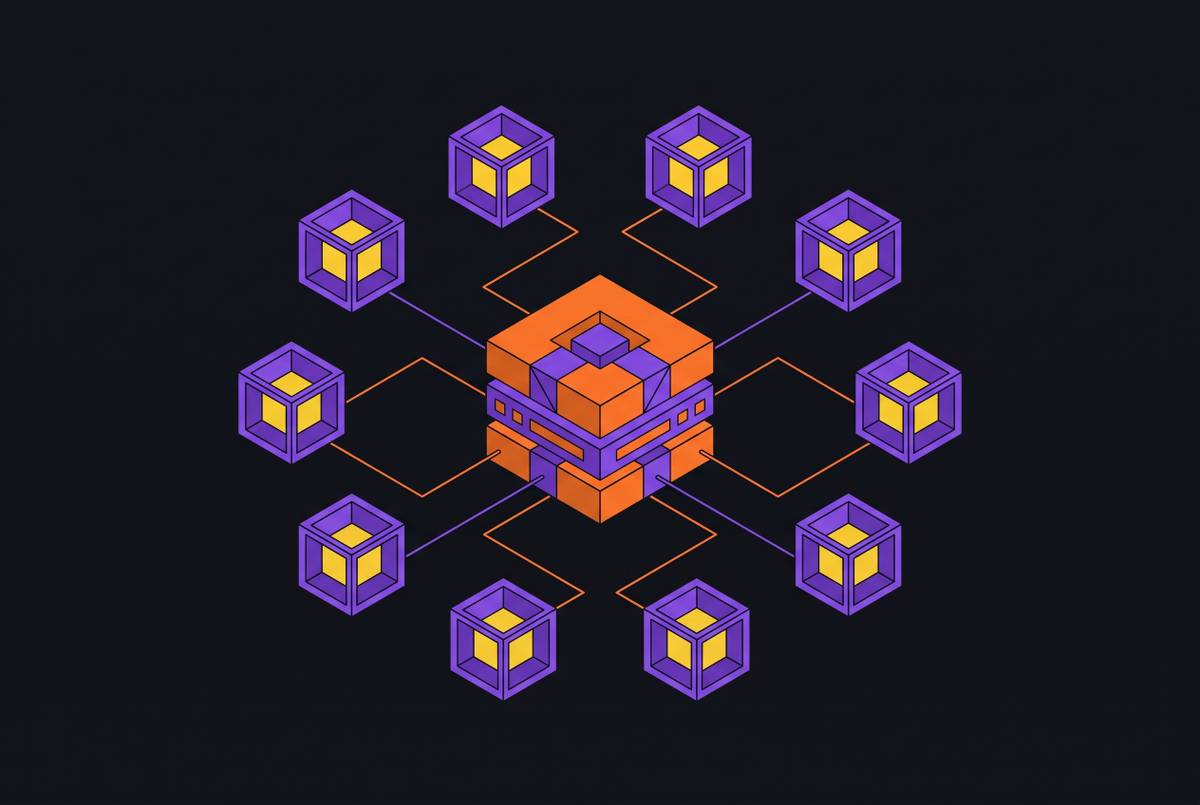
Per-User Agent Architecture for SaaS Products
Shared AI layers fail fast, so give each user an isolated agent.
Priya Subramaniam·
 Agent Architecture
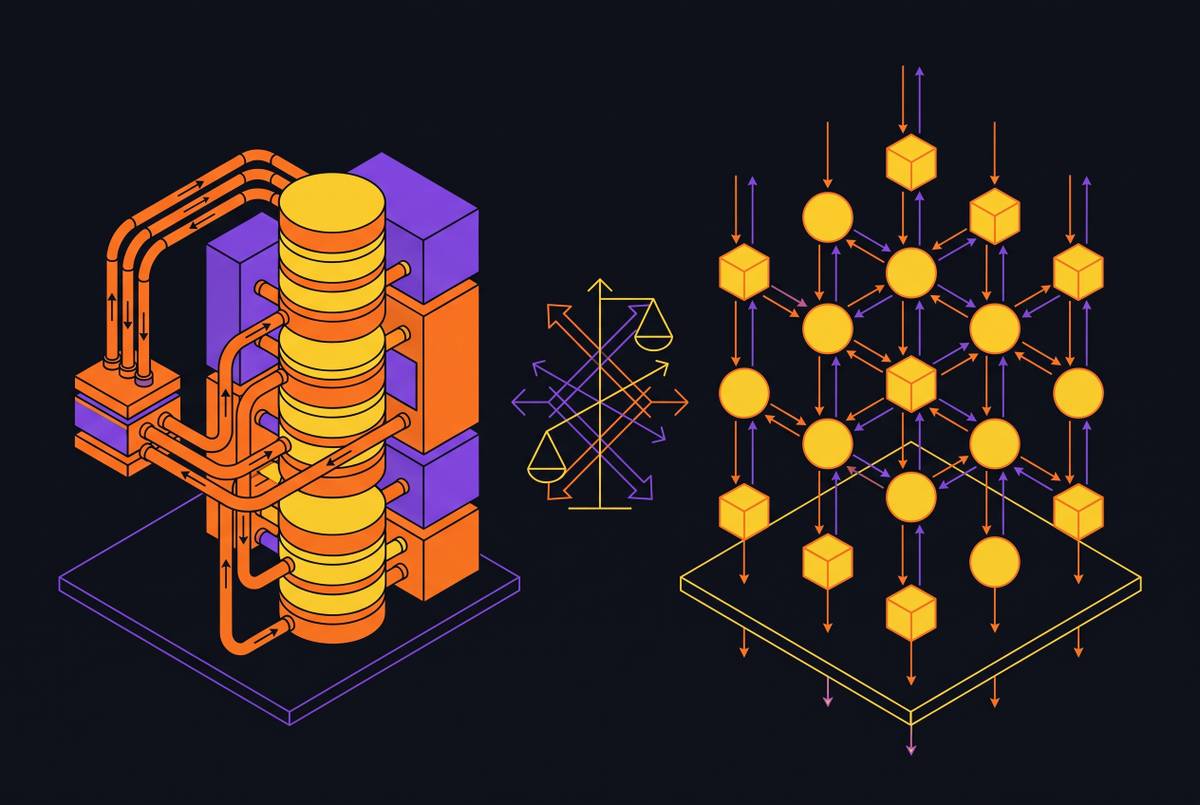
Stateful vs Stateless AI Agent Design Tradeoffs
Statefulness lives in the runtime, not the model, and that choice shapes how agents fail.
Camille Osei-Bonsu·